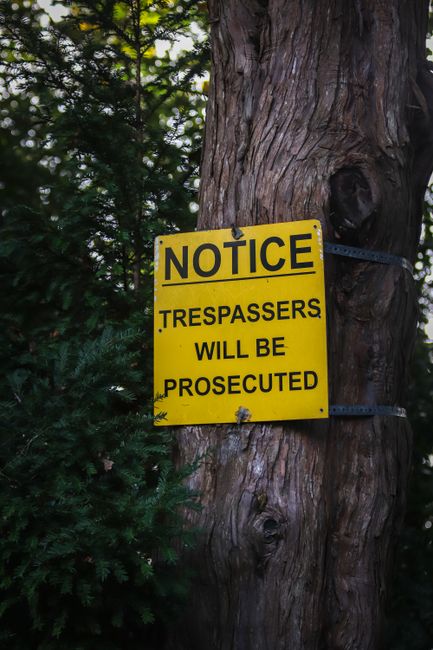
Fines for fly-tipping in Manor Park: Newham Council penalties
If you live, work, or manage property in Manor Park, fly-tipping is one of those problems that can go from annoying to expensive very quickly. A bag left beside a wall, an old sofa dumped outside a block, builder's rubble by the kerb - it can all lead to complaints, clean-up costs, and in some cases enforcement action. This guide explains Fines for fly-tipping in Manor Park: Newham Council penalties in plain English, so you know what may happen, why it matters, and how to stay on the right side of local waste rules.
You'll find practical guidance here, not legal waffle. We'll look at how penalties are usually applied, what counts as fly-tipping, how residents and businesses can reduce risk, and what sensible steps to take if waste needs clearing fast. Truth be told, a lot of people only think about disposal after the pile is already there. By then, the clock is ticking.
Why Fines for fly-tipping in Manor Park: Newham Council penalties Matters
Fly-tipping is not just a messy patch of dumped waste. In a busy place like Manor Park, it can block pavements, attract more dumping, create hazards for children and pedestrians, and make streets feel neglected. One small pile can turn into a recurring mess before anyone's had their morning tea. That's how quickly it escalates.
For Newham residents, the penalties matter because they are part of a wider enforcement approach. Councils normally use fines, notices, investigations, and other enforcement steps to discourage illegal dumping. Even when a case starts with "just a few items," the outcome can be serious if the waste is linked to you, your business, or your property.
There is also a practical reason to care: the cost of dealing with waste legally is usually far less painful than dealing with the consequences of illegal disposal. If you have bulky items, mixed rubbish, or renovation waste, planning proper removal can save a lot of stress later. A sensible starting point is to compare lawful clearance options such as waste removal or, where relevant, specific services like builders waste clearance and furniture disposal.
How Fines for fly-tipping in Manor Park: Newham Council penalties Works
In simple terms, fly-tipping penalties usually happen when a council believes waste has been dumped illegally or managed irresponsibly. That might involve a fixed penalty notice, a prosecution route, or a requirement to remove waste. The exact action depends on the circumstances, the type of waste, and how severe the offence appears to be.
What people often miss is that enforcement is not always aimed only at the person caught in the act. Waste can be traced back through documents, labels, witness statements, vehicle details, or the contents of the rubbish itself. If your name or business details appear in dumped waste, that can raise questions. Not always fair, but that's the reality.
There are a few common situations that may lead to action:
- putting bags or bulky waste on the street without proper collection arrangements
- using an unlicensed waste carrier
- leaving rubbish outside a property after a move or clearance
- dumping renovation waste from a DIY or building project
- failing to check where business waste goes
If you are a landlord, letting agent, or business owner, this matters even more. Waste left by tenants, customers, or contractors can still create a headache for the person responsible for the premises. A lot of people only realise this after the fact. Then it's paperwork, calls, and a fairly unpleasant afternoon.
Typical penalty outcomes
Not every case ends the same way. Some matters may be dealt with by on-the-spot enforcement, while others move into a fuller investigation. In practice, the response may involve:
- a fixed penalty notice
- a request to remove waste quickly
- formal warnings or notices
- higher-level penalties where the case is serious or repeated
- court action in more severe cases
The important point is that a penalty is not the only cost. You may also lose time, face disposal charges, and have to sort out the mess under pressure. That combination hurts more than most people expect.
Key Benefits and Practical Advantages
Understanding the rules around fly-tipping gives you more than legal awareness. It helps you make better decisions before waste becomes a problem. That's the real value here.
- You avoid accidental non-compliance. Many fly-tipping cases begin with a badly planned collection or an unlicensed collector.
- You reduce the risk of fines and complaints. Neighbours, landlords, and businesses all benefit when waste is handled properly.
- You protect your property reputation. A clean entrance or forecourt sends the right message. A pile of black bags, not so much.
- You save time later. Sorting waste correctly at source is easier than dealing with enforcement after the event.
- You can choose the right disposal route. Some waste needs careful handling, especially builders' material, mixed rubbish, or bulky items.
There's also a quieter benefit: peace of mind. If you know how Newham Council penalties may be applied, you can plan ahead, keep records, and use legitimate waste services with confidence. That tends to make life simpler, honestly.
Expert summary: The safest approach is usually the boring one - separate waste properly, use a licensed carrier, keep your paperwork, and never assume "someone else will sort it." In waste, assumptions get expensive.
Who This Is For and When It Makes Sense
This topic matters to a lot more people than you might think. It is not only for someone who has already been fined. It is for anyone who wants to avoid problems before they start.
Residents may need this guidance when clearing a flat, moving house, or getting rid of a worn sofa, mattress, or garden debris. If you're dealing with a one-off clear-out, a service such as flat clearance, house clearance, or garden clearance can be a straightforward lawful option.
Businesses should care because waste placed in the wrong way outside commercial premises can trigger complaints or enforcement. That includes offices, shops, hospitality venues, and trades. For ongoing commercial waste, business waste removal is worth considering.
Landlords and managing agents need a clear process for vacant properties, tenant clearances, and communal areas. If rubbish appears in a shared stairwell or front yard, it can become a dispute very quickly.
Tradespeople and DIY renovators should pay special attention to builders' waste. Broken plasterboard, timber, packaging, soil, and mixed rubble can all be handled correctly, but not casually. If you've ever stood beside a half-full skip on a wet Monday morning, you'll know it's one of those jobs that looks simple until it isn't.
Step-by-Step Guidance
If you want to avoid fly-tipping fines and keep your waste handling clean and defensible, the process is fairly straightforward. Not glamorous, but straightforward.
- Identify the waste type. Separate household items, garden waste, construction debris, electricals, and anything sharp or hazardous.
- Decide whether the waste can be reused, recycled, or removed. Not everything needs the same disposal route.
- Choose a legitimate collection method. If you need help, a general waste removal service may be enough, or a specialist clearance service may be more suitable.
- Check the paperwork and terms. Keep invoices, booking confirmations, and any notes about what was collected.
- Set waste out only when instructed. Don't leave bags or furniture on the street unless the collection arrangement clearly allows it.
- Ask where the waste goes. Reputable providers should be able to explain how they sort, reuse, and recycle material.
- Act quickly if waste is dumped near you. If you've found fly-tipped material, take photos, note the location, and report it through the proper local route.
A small practical tip: if you are clearing a whole property, try not to leave everything until the last day. The last day becomes chaos. Boxes everywhere, decisions getting made too quickly, and then someone is trying to carry a broken desk down narrow stairs. We've all seen that movie.
Expert Tips for Better Results
Here's the advice that usually makes the biggest difference.
- Use licensed waste handlers only. If a quote looks suspiciously cheap, ask questions.
- Keep a photo record. Before-and-after photos can help if there is ever a dispute about what was removed.
- Separate recyclable items. This makes disposal cleaner and can reduce the amount sent for general handling.
- Be careful with mixed loads. A sofa, broken tiles, paint tins, and garden clippings are not all treated the same way.
- Plan access in advance. Narrow streets, permit parking, and shared entrances all affect how waste should be collected.
- Tell contractors exactly what stays and what goes. Misunderstandings create rubbish piles. Simple as that.
If you manage a property in Manor Park, set a written routine for clearance days. It sounds fussy, but it saves hassle. Include who authorises disposal, where waste is stored before removal, and which documents must be kept. That kind of small admin often prevents larger drama later.
Common Mistakes to Avoid
The most common mistakes are boring ones, which is probably why people keep making them.
- Leaving rubbish outside too early. A bag on the pavement can be mistaken for fly-tipping, even if you intended collection.
- Assuming a friend or handyman can take it. Unless you know where it's going, you are taking a risk.
- Not checking the carrier. A person with a van is not automatically a legitimate waste carrier.
- Mixing special items with ordinary rubbish. Some items need extra care and should not be handled casually.
- Ignoring repeated small dumping. A little pile by a bin store or alley can become a pattern.
- Forgetting that business waste has its own standards. Commercial premises are expected to manage waste properly and consistently.
One sneaky problem is "temporary" dumping. People tell themselves they'll move it later. Then later becomes tomorrow, and tomorrow becomes a complaint from a neighbour who has had enough. Let's face it, the street does not care about your good intentions.
Tools, Resources and Recommendations
You don't need complicated tools to handle waste well. You just need a decent process and the right service options.
Useful things to have in place include:
- a simple inventory of items being cleared
- bags, boxes, labels, or tape for separating waste types
- proof of collection or disposal booking
- basic photos of the waste before removal
- a list of access details for the property or site
For mixed household clearances, home clearance can be a practical choice. For larger family properties or estates, house clearance may be more appropriate. For storage-heavy spaces and awkward loft access, loft clearance can save a lot of lifting and a few bruised elbows.
If you care about the environmental side - and most people do, more than they admit - look into recycling and sustainability. Proper sorting and responsible disposal reduce waste going to landfill and help avoid sloppy shortcuts.
Law, Compliance, Standards and Best Practice
For topics like this, it is wise to be careful with wording. The exact enforcement outcome can depend on the circumstances and local authority approach. What you can say confidently is that fly-tipping is treated seriously in the UK, and councils generally expect waste to be handled by lawful and traceable methods.
Good practice usually includes:
- using a legitimate waste carrier
- keeping receipts, invoices, and collection records
- checking that waste is stored safely before pickup
- ensuring contractors understand the disposal route
- avoiding obstruction of pavements, entrances, or shared access areas
For businesses, compliance is even more important. You are expected to manage duty of care sensibly, meaning you should be able to show that waste was handed over responsibly. If a cleaner, builder, or courier causes a disposal problem on your behalf, the paper trail matters.
That said, compliance does not have to be complicated. If you follow a clear process, keep records, and avoid cheap shortcuts, you are already doing far better than a surprising number of people.
Options, Methods and Comparison Table
When you need waste removed in Manor Park, there are a few common options. The best one depends on volume, access, timing, and the type of rubbish involved.
| Option | Best for | Pros | Watch-outs |
|---|---|---|---|
| Self-managed disposal | Small amounts and simple waste | Can be flexible and low-cost | Easy to make mistakes with sorting, access, or transport |
| Licensed waste removal | Most mixed household or commercial waste | Convenient, traceable, better compliance | Need to choose the right provider |
| Specialist clearance | Bulky, awkward, or property-wide clear-outs | Handles more items in one go, less disruption | Costs can vary based on complexity |
| Improvised dumping or informal help | Not recommended | Feels quick at first | High risk of fines, complaints, and mess |
If you ask us, the middle option is often the sweet spot: lawful, efficient, and much less stressful. A good provider should also be able to explain collection timing, access needs, and any recycling approach. If price is part of your decision - and it usually is - check pricing and quotes so you can compare like with like.
Case Study or Real-World Example
Here's a realistic local scenario. A small landlord in Manor Park clears out a flat after a tenancy ends. There are two damaged wardrobes, a mattress, several black bags, and some old shelving in the hallway. The temptation is to move the bags outside "for a bit" while waiting for a helping hand. But that's exactly the kind of situation that can be mistaken for fly-tipping, especially if the items sit there overnight.
The better approach is simple: book a lawful removal, keep the collection details, and move the items only when the team is ready. The hallway stays clear, neighbours don't complain, and there is a record if anyone asks questions later. Quietly unremarkable. Which is ideal, really.
Another common example involves builders' waste after DIY work. A resident finishes a kitchen rip-out and ends up with tiles, packaging, wood offcuts, and an old sink. If this is left near the building or placed beside street bins, it can cause enforcement trouble. Using builders waste clearance is often the simplest way to avoid that.
Practical Checklist
Use this checklist before you set any waste out or arrange disposal.
- Have I identified exactly what needs to go?
- Is any of it recyclable, reusable, or special waste?
- Have I chosen a lawful collection method?
- Do I know who is responsible for the waste once it leaves the property?
- Have I kept the booking confirmation or invoice?
- Will the waste be placed somewhere safe until collection?
- Have I checked access, parking, and timing?
- Am I clear on what should not be left on the pavement or in shared areas?
- Do I need a specialist service for bulky furniture or office items?
- Have I saved photos in case a dispute comes up later?
If you can answer yes to most of those, you are already on solid ground.
Conclusion
Fines for fly-tipping in Manor Park: Newham Council penalties are really about more than punishment. They are there to stop waste from becoming a nuisance, a hazard, and a recurring local problem. For residents, landlords, and businesses, the safest path is simple: keep records, use lawful disposal, and never leave waste sitting around while hoping it will sort itself out. It rarely does.
In practical terms, the easiest way to avoid trouble is to plan the job properly from the start. Whether you need a full property clearance, a one-off bulky collection, or regular business waste handling, choosing a responsible route saves time and keeps you out of the enforcement loop. That is usually worth more than the cheap option, no matter how tempting it looks on paper.
Get a free quote today and see how much you can save.
Frequently Asked Questions
What counts as fly-tipping in Manor Park?
Fly-tipping usually means leaving waste somewhere it should not be, such as on pavements, in alleyways, beside bins, or on private land without permission. Even a small pile can count if it has been dumped illegally.
Can I be fined if someone else dumps waste near my property?
Possibly, if the waste can be linked back to you, your business, or your property and there is reason to believe you were responsible or careless with disposal. That's why records matter.
Are Newham Council penalties always the same?
No. The outcome depends on the circumstances, the amount and type of waste, and whether the case looks minor, repeated, or serious. Different cases can lead to different enforcement responses.
Is putting bags out early considered fly-tipping?
It can be. If rubbish is left in a place or at a time that does not match the agreed collection arrangement, it may be treated as unlawful dumping or poor waste presentation.
What should I do if I find fly-tipped waste near my home?
Take photos, note the location, and report it using the proper local route. Avoid moving hazardous material yourself unless it is safe and clearly manageable.
Do businesses have stricter waste expectations than households?
In practice, yes. Businesses are expected to manage waste carefully, keep records, and use legitimate disposal methods. That includes offices, shops, trades, and hospitality premises.
How can I avoid accidental fly-tipping when clearing a flat?
Book a lawful collection, keep the paperwork, and do not leave items in shared hallways, outside entrances, or on the street unless the collection has been arranged that way.
What is the safest way to dispose of bulky furniture?
Use a proper clearance service rather than leaving furniture outside or relying on informal disposal. A service like furniture clearance or furniture disposal is often the cleaner option.
Can builders' waste lead to penalties too?
Yes, especially if rubble, timber, plasterboard, or mixed renovation waste is dumped incorrectly. Construction debris is a common source of complaints, so it needs proper handling.
How do I know if a waste collector is legitimate?
Ask how they handle disposal, whether they provide paperwork, and what happens to the waste after collection. If the answer feels vague or rushed, that is a warning sign.
Is recycling important when dealing with fly-tipping risks?
Very much so. Better sorting reduces the chance of waste being mishandled, and it supports a more responsible disposal route. It also tends to make the job smoother overall.
Where can I get help with proper waste removal in Manor Park?
Look for a service that matches the type of waste you have, whether that is household items, office clearances, garden debris, or builders' material. If you need a fuller overview, start with about us and then review the relevant service pages for your situation.